
We all love the Australian weather and our amazing outdoor lifestyle, right? Whether it’s hitting the beach, enjoying a weekend BBQ, or simply walking the dog in the sunshine, spending time outdoors is part of who we are.
But have you ever stopped to think about what all that sun exposure is doing to your skin? And when you’ll start to see the effects?
Here’s the reality: Australians experience significant and early signs of sun damage—something known as photoaging. In fact, a staggering 83% of Australians aged 20 to 54 already show moderate to severe photoaging, as confirmed by clinical studies.
Compared with women from other countries, Australian women experience:
- More severe facial lines and a greater degree of change with age
- The appearance of moderate to severe signs of photoaging 10 to 20 years earlier
What is Photoaging?
As we get older, our skin naturally ages, causing it to become thinner and drier, leading to visible changes such as wrinkles and laxity. However, sun exposure can accelerate this process, causing premature skin aging known as photoaging.
The risk of photoaging increases with frequent and prolonged sun exposure, as damage builds up over time, especially without proper sun protection. Signs of photoaging (see below) are most noticeable on areas that receive the most sun exposure, including the face, neck, upper chest, back of hands, and forearms.
What Causes Photoaging?
The primary cause of photoaging is sun damage. Exposure to ultraviolet (UV) radiation over time speeds up the normal aging process, leading to visible skin changes. UVA and UVB rays from the sun damage both the surface and deeper layers of the skin. In fact, up to 80% of visible facial aging is attributed to sun exposure. However, there is evidence that up to 10% of photoaging is actually caused by visible wavelengths of light that we are exposed to on a daily basis, in particular the blue light from the screens of electronic devices.
Sign of Photoageing
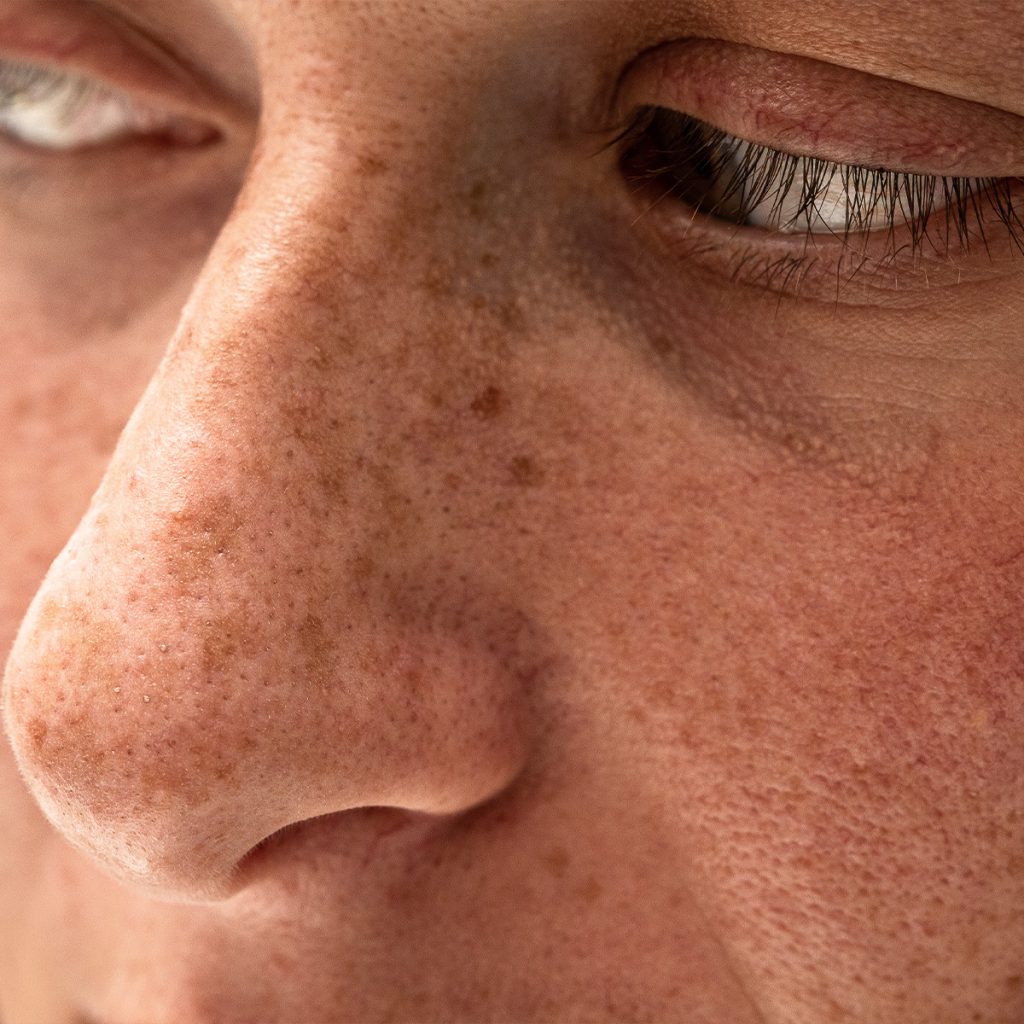
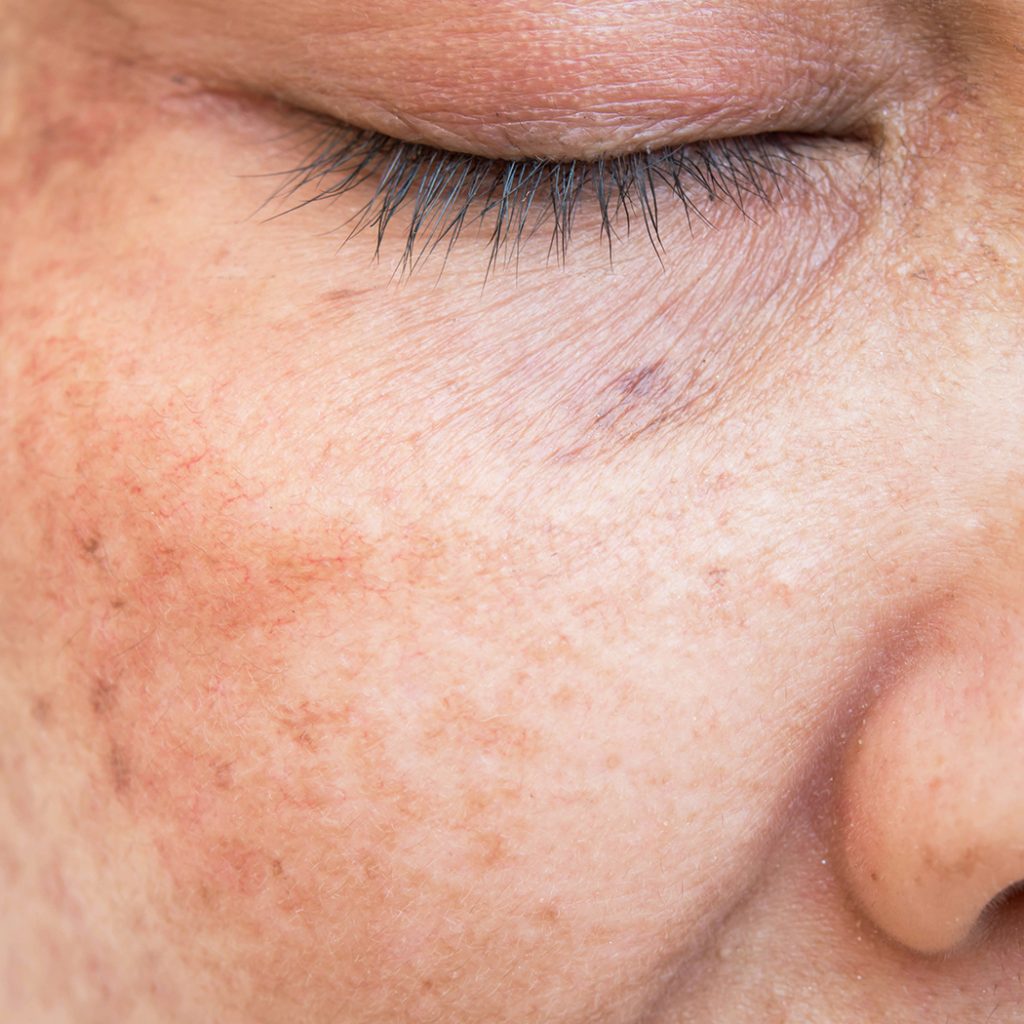
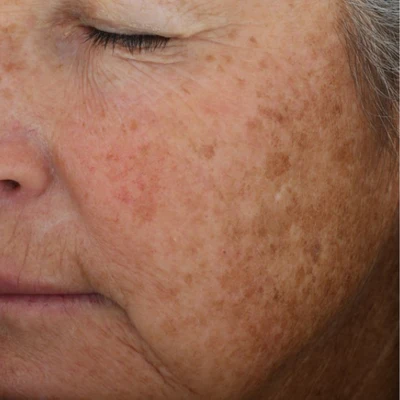
- Wrinkles: Lines in the skin may become deep and coarse, often visible around the eyes, mouth, and forehead. Dynamic lines caused by muscle movement)can become static lines that are present all the time, even when the face is not moving.
- Rough, Dry, Leathery Skin: Loss of moisture and texture changes due to sun damage can make the skin rough and dull.
- Dark Spots & Hyperpigmentation: Uneven skin tone, mottled pigmentation, dark spots (hyperpigmentation), and even lighter spots (hypopigmentation) where the melanocytes are so damaged they give up making pigment entirely.
- Loss of Skin Elasticity: Reduced firmness and sagging due to collagen breakdown.
- Broken Capillaries: Small blood vessels widen and become visible, leading to redness (telangiectasia).
Managing & Preventing Photoaging
Minimising sun exposure and protecting your skin with sunscreen and clothing are key strategies for managing sun damage — but what if the signs of photoaging are already starting to show?
If you’re noticing fine lines, pigmentation, redness, or just that your skin isn’t bouncing back the way it used to, it might be time to rethink your skincare routine. The good news is, there are ways to improve both the health and appearance of sun-damaged skin — and no, it doesn’t have to involve fifteen expensive products from TikTok that leave you more confused than when you started.
What we often see is people coming in frustrated. They’ve already invested time and money in miracle creams and beautifully packaged serums that made big promises but delivered very little. It’s easy to feel discouraged, even to the point of thinking skincare just doesn’t work. Honestly? We understand — because many of us have been in that same position ourselves.
But the truth is, real skin improvements usually come from using a few high-quality, evidence-based ingredients consistently and in the right combination. One of the most effective is a vitamin A — something like retinal, retinol or a retinoid — which helps stimulate collagen production and increases cell turnover, making skin feel smoother and appear more refreshed over time. Another powerful addition is an alpha hydroxy acid, which helps your skin gently shed dead cells that can dull your complexion and block the absorption of other active ingredients. Vitamin B3, or niacinamide, is another underrated hero, particularly for sun-affected skin — it helps calm inflammation, supports barrier repair, and even assists in repairing DNA damage caused by UV exposure.
And of course, none of these will work effectively without proper sun protection. Sunscreen is essential — every day, all year round — but it needs to fit into your lifestyle or it simply won’t be used. We hear from so many people who’ve had unpleasant experiences with sunscreen in the past, especially those thick, chalky zinc-based ones we used to smear across our faces at the beach. If that’s your lasting impression of zinc, it’s time to update it.
The cosmeceutical world has come a long way. We now have elegant, wearable zinc oxide sunscreens that offer reliable protection without clogging pores or leaving a white cast. These newer formulations feel beautiful on the skin and layer well under makeup — while still providing excellent broad-spectrum UV protection. Zinc oxide is particularly beneficial because it physically reflects UV rays, making it ideal for sensitive or already photo-damaged skin. At the clinic, we stock a range of these modern formulations and can help match one to your skin type, your lifestyle, and your personal preferences — whether you’re someone who’s always outdoors, wearing makeup daily, or just wants something simple and light.
If you’re feeling overwhelmed by all the choices, or unsure whether your current routine is helping or harming, that’s where we come in. You don’t need to start from scratch or buy a whole new shelf of products. Let’s sit down together, go through what you’re already using, and see where we can make small but meaningful changes. You may already have some great ingredients in your routine — our job is to help you put them to work in the best way possible.
Your skin remembers every bit of sun it’s seen — but it also has the incredible ability to repair. Let’s give it the support it needs to do just that.
Treating Photoaging
Whilst it is never possible to turn back time, and prevention is key in managing photodamage, various treatment modalities can be used to increase skin hydration and elasticity, reduce fine lines and wrinkles and improve the appearance of dark spots. Chemical peels are a great option for photoaging; energy based devices such as IPL, resurfacing laser, radiofrequency or high intensity focussed ultrasound (HIFU) can be useful for some patients; and sometimes injectable options for the skin are appropriate.
Book a Consultation at Skin Box
Have you noticed any signs of photoaging? Our experienced Dermal Therapists at SkinBox can help you develop a personalised skin management plan. Book a Skin Assessment consultation with Georgia, Jordie or Bridgette today and take control of your skin health!
written by Bridgette – Dermal Therapist at SkinBox
Tap into our medical expertise
We understand that the world of aesthetics and cosmetic treatments can be intimidating, that’s why our cosmetic doctors and qualified dermal therapists are here.
To share our medical knowledge. To help you look and feel your best.
References: